

 Andy
Andy
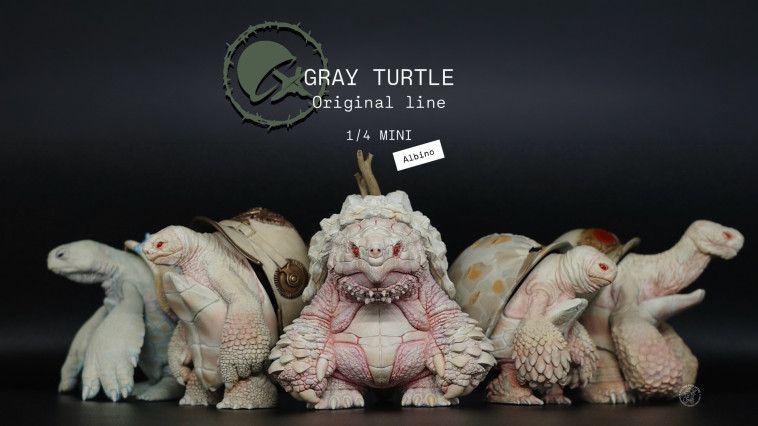
No doubt, ever since South Korean artist GRAY TURTLE emerged pre-pandemic jaws have been broken, as everyone’s jaws have fallen to the floor when seen GRAY TURTLE art collectables and sculptures! Last year, we had the pleasure of seeing GRAY TURTLE art in person at Urban Break / ToyCon Seoul, which redefined how amazing the art is in person! With pieces selling out every single drop, GRAY TURTLE has announced the limited-time pre-order of the Original line ‘MINI’ 1/4 (25% size) still as detailed and jaw-dropping even in this mini size! Notorious for detail and iconic links to war the backstory still sends shivers down our spines! forget TMNT! its all about GRAY TURTLE.
When I was a boy, I couldn’t take my eyes off the World War 2 plastic models that were displayed in the plastic models workshop. Buying ww2 models and toys I wanted was really not easy for young me in my eyes lots of military toys casted gray color was thought the most beautiful things at that time.
One day I watched a documentary movie about the life of red sea turtles. I watched that they hatched from an egg and then crawled the sea. until reaching the sea, very short distance for human, they were eaten by coyotes, albatrosses and crabs. unfortunately, only 3% of them survived. T heir life is war. whan I was watching a documentary, it remind me of the first scene of the movie ‘saving private ryan. so I wanted to combine images of turtle, war, gray, soldier, army. finally, I completed my works by adding to helmet of symbol of war. – GRAY TURTLE Im cheul kvun
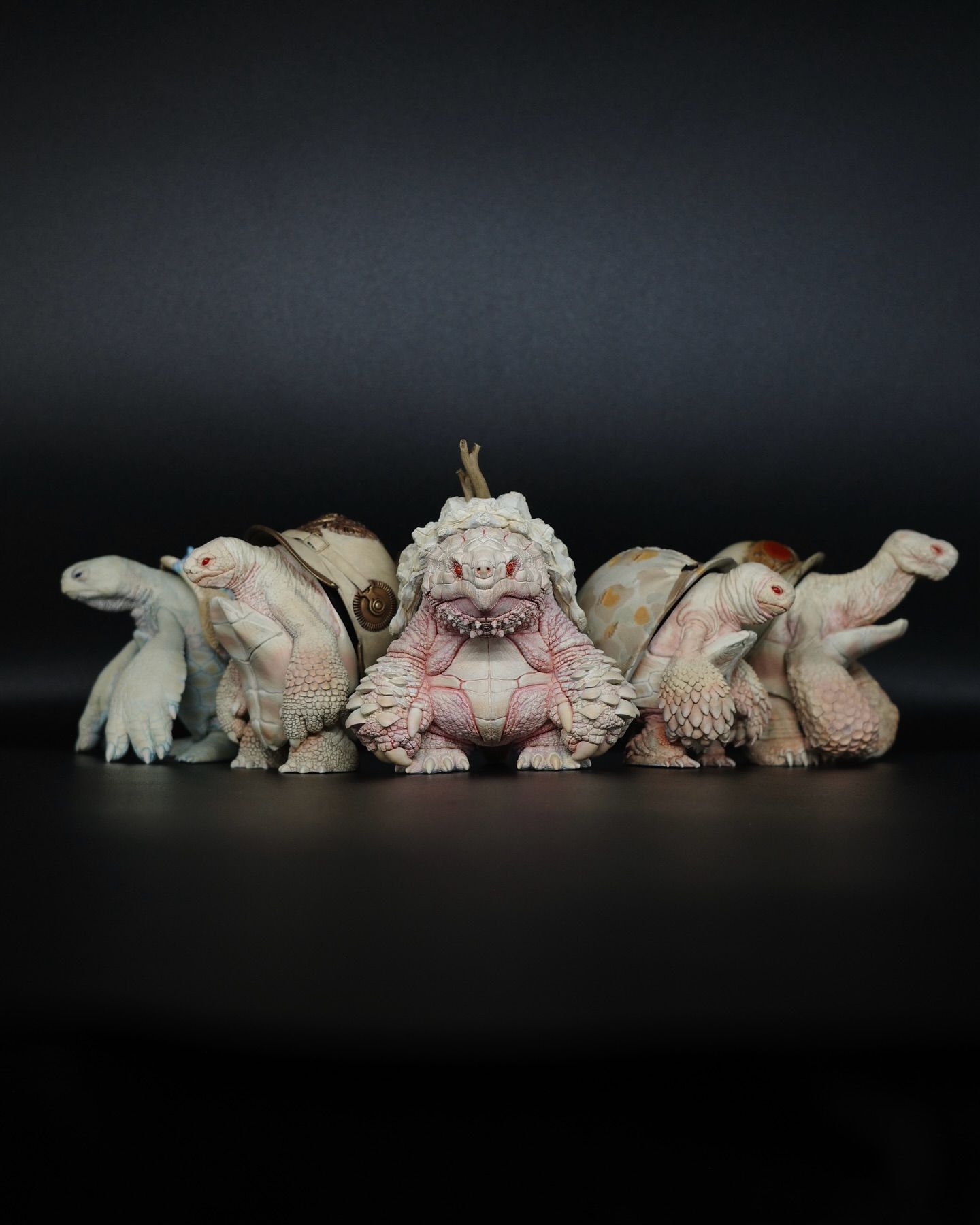
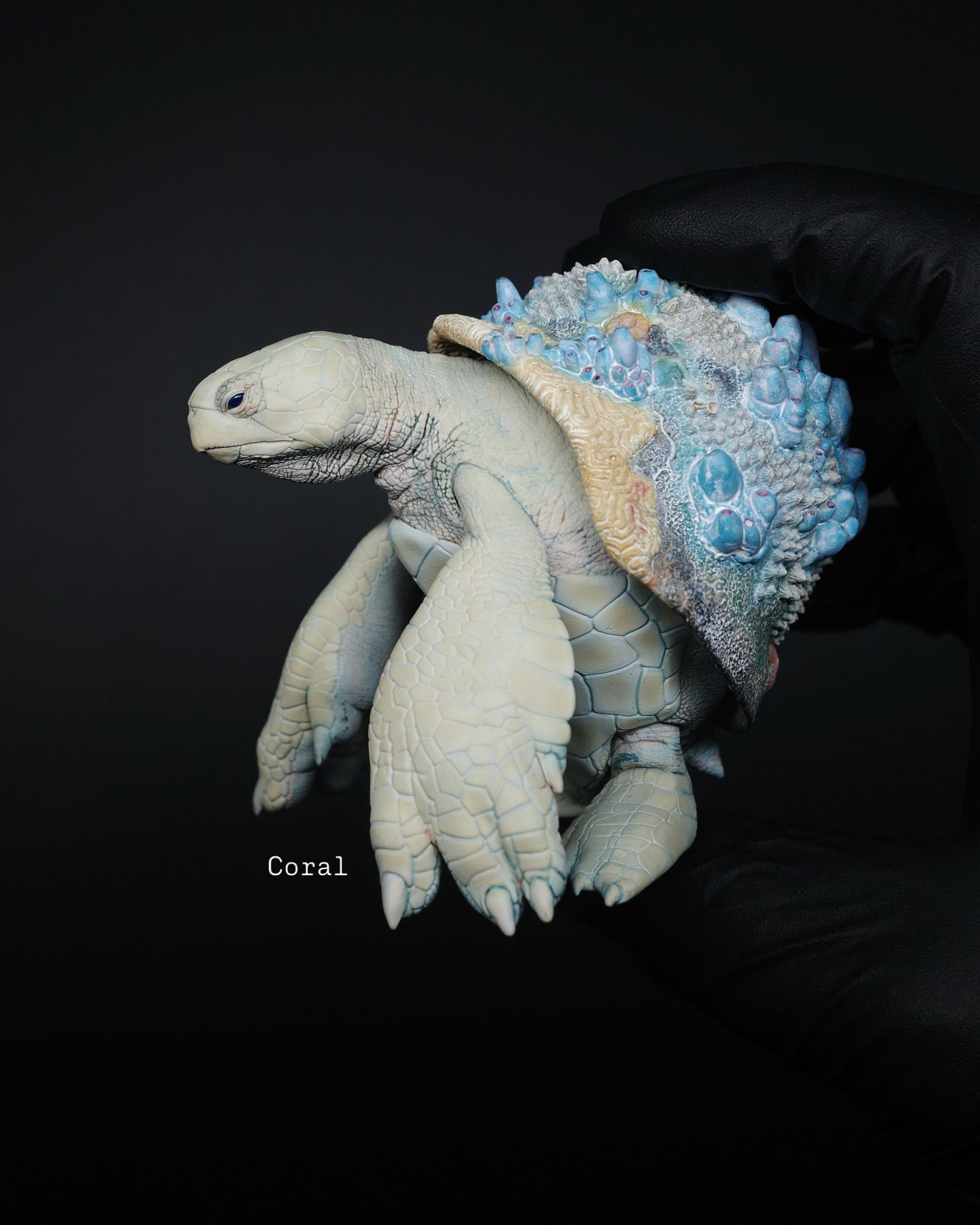
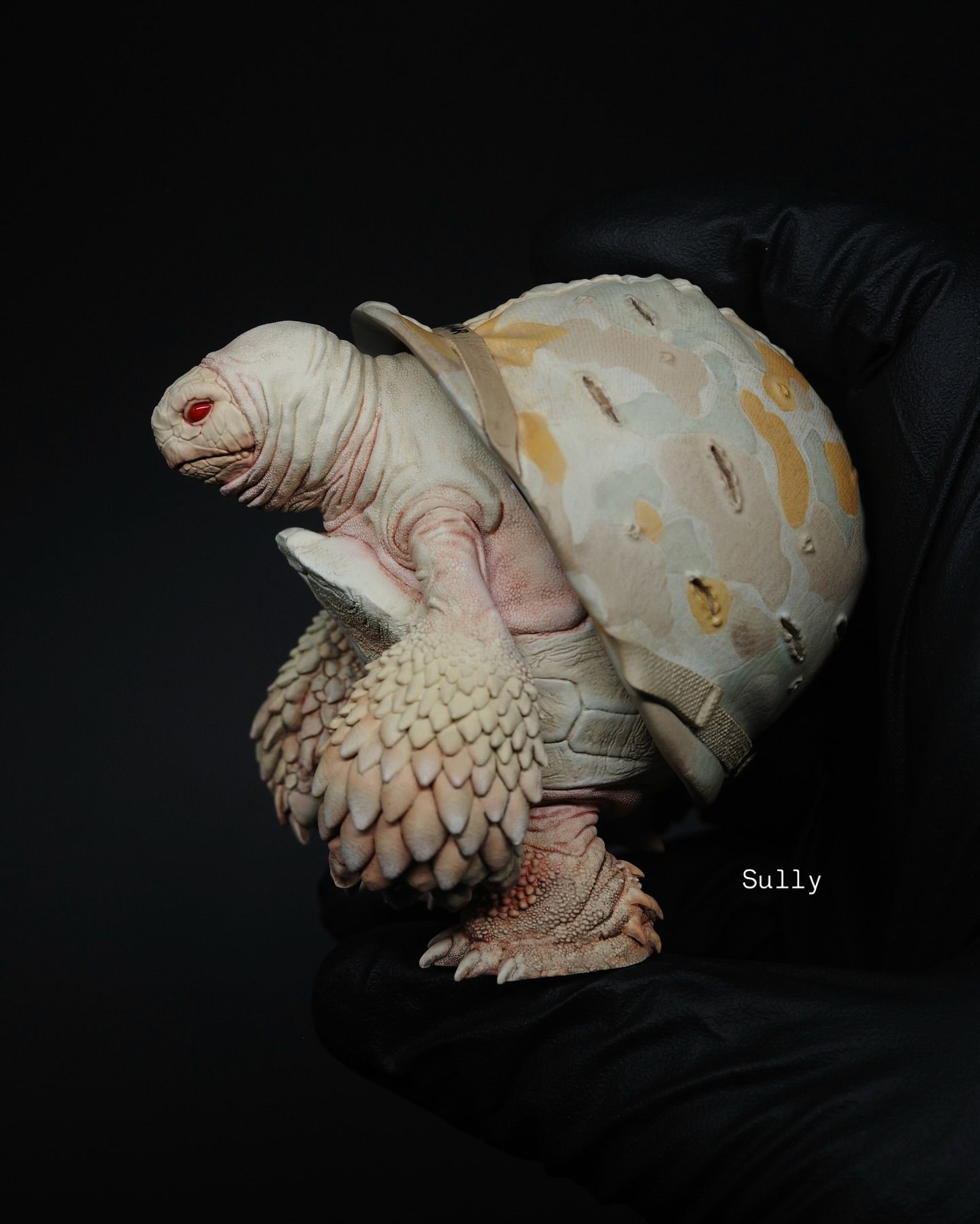
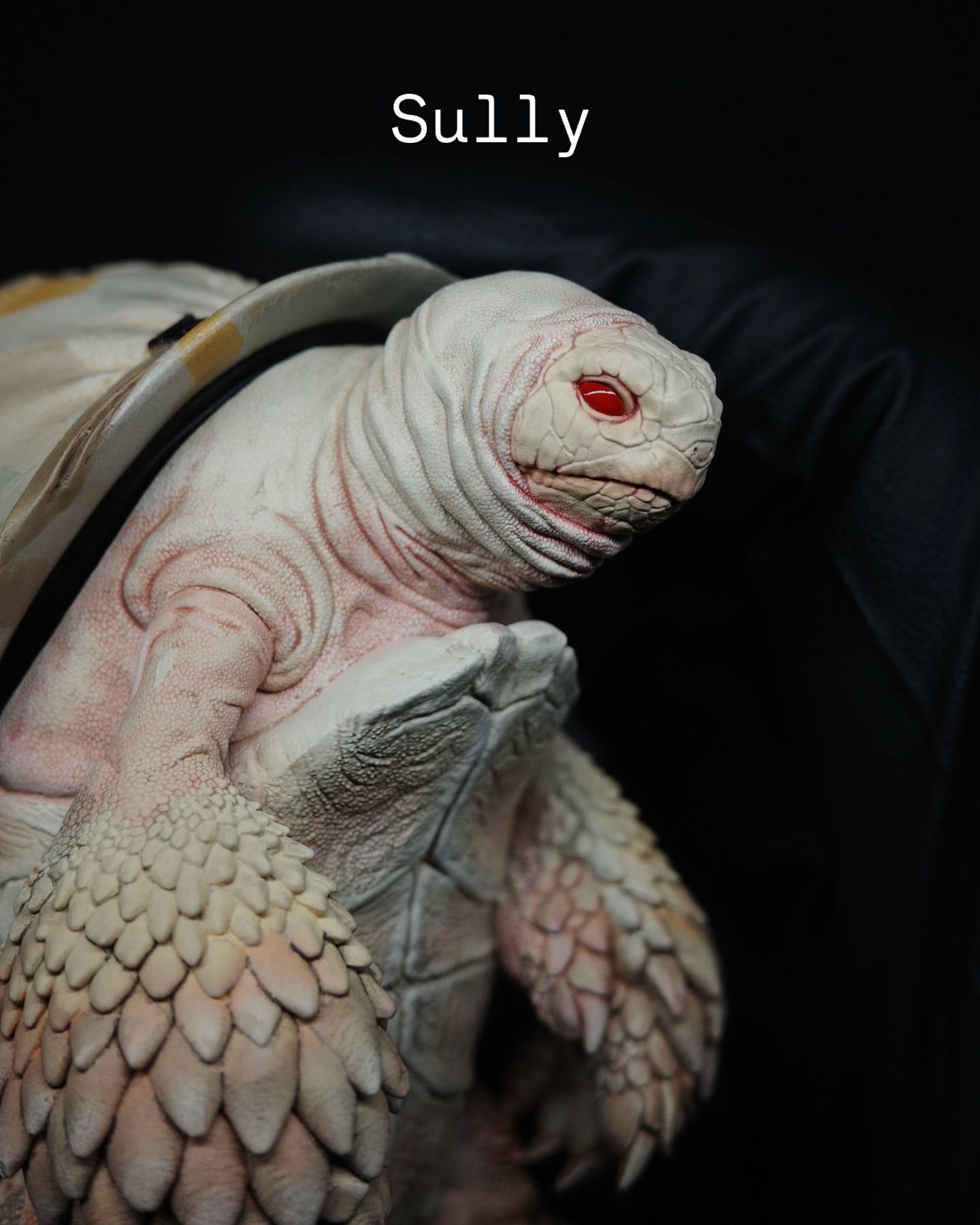
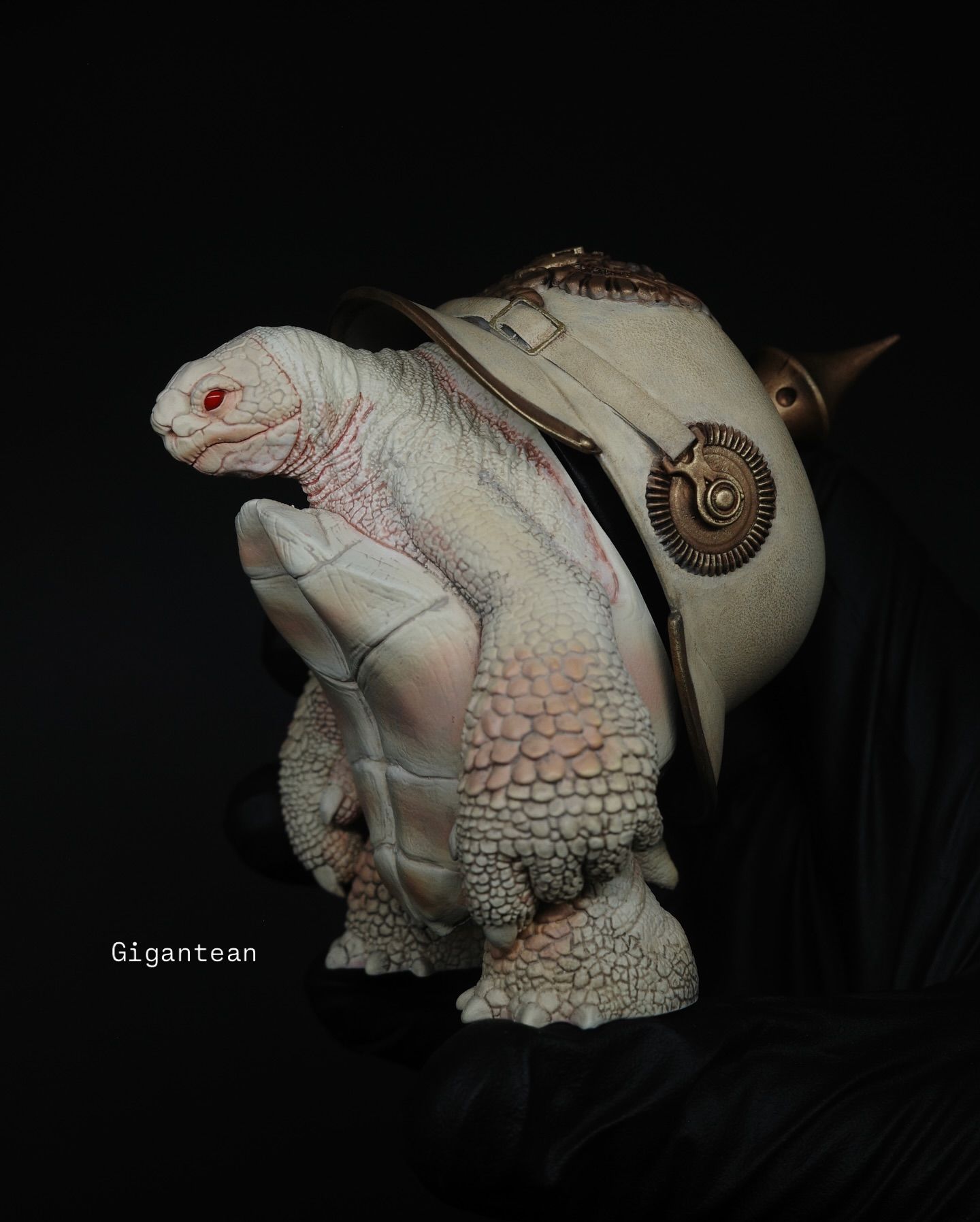
Original line ‘MINI’ 1/4 SULLY / GIGANTEAN / TEMMINCKII / CORAL / NIGRA to choose from.
Sully + “WW2 U.S M1 COVER“
Gigantean + WW1 PICKELHAUBE VER.
Temminckii + 龜甲龍 & BIRCH VER.
Coral + “Flowers Blooming on Scars”
Nigra + WW2 German “M35 Goggles”
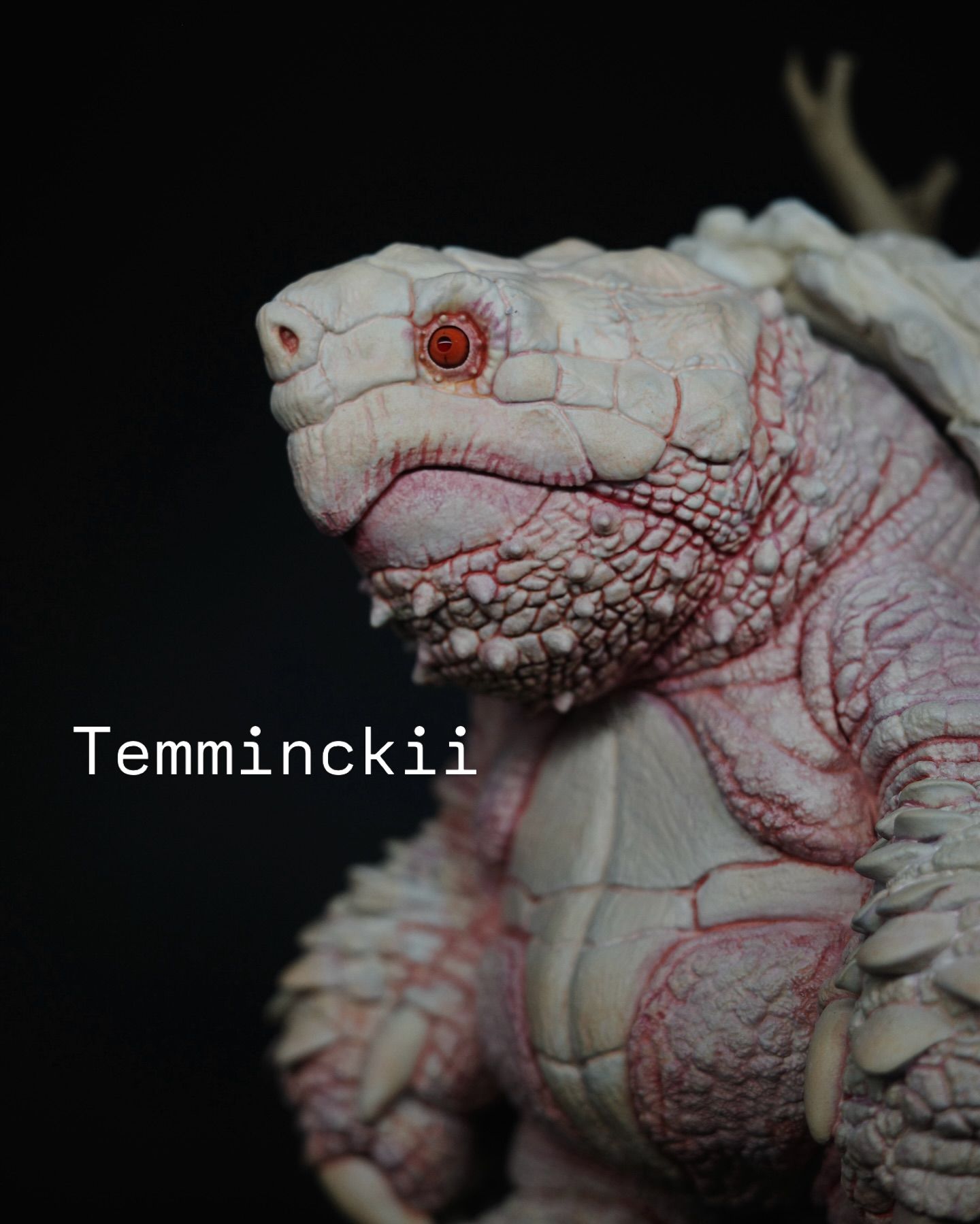
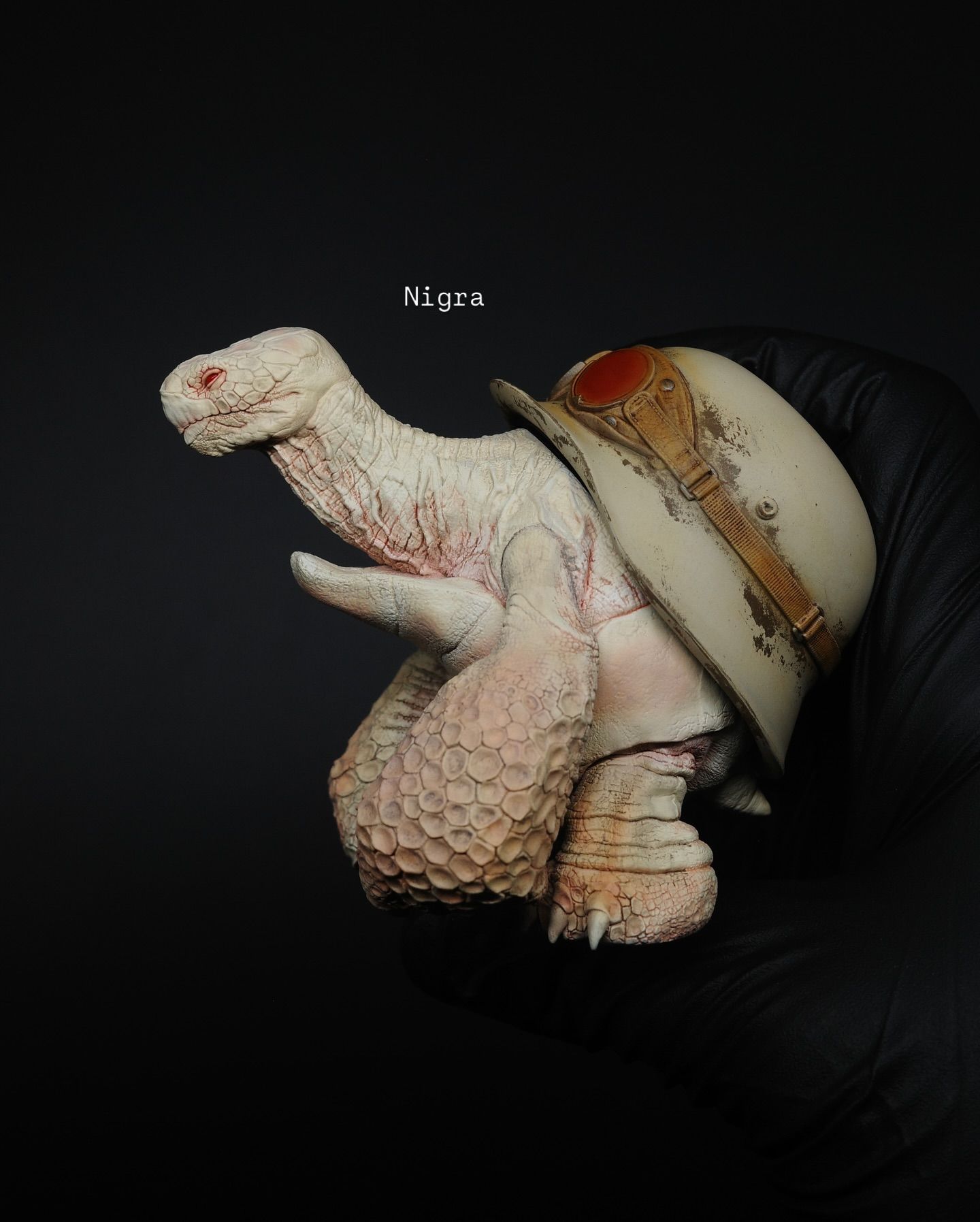
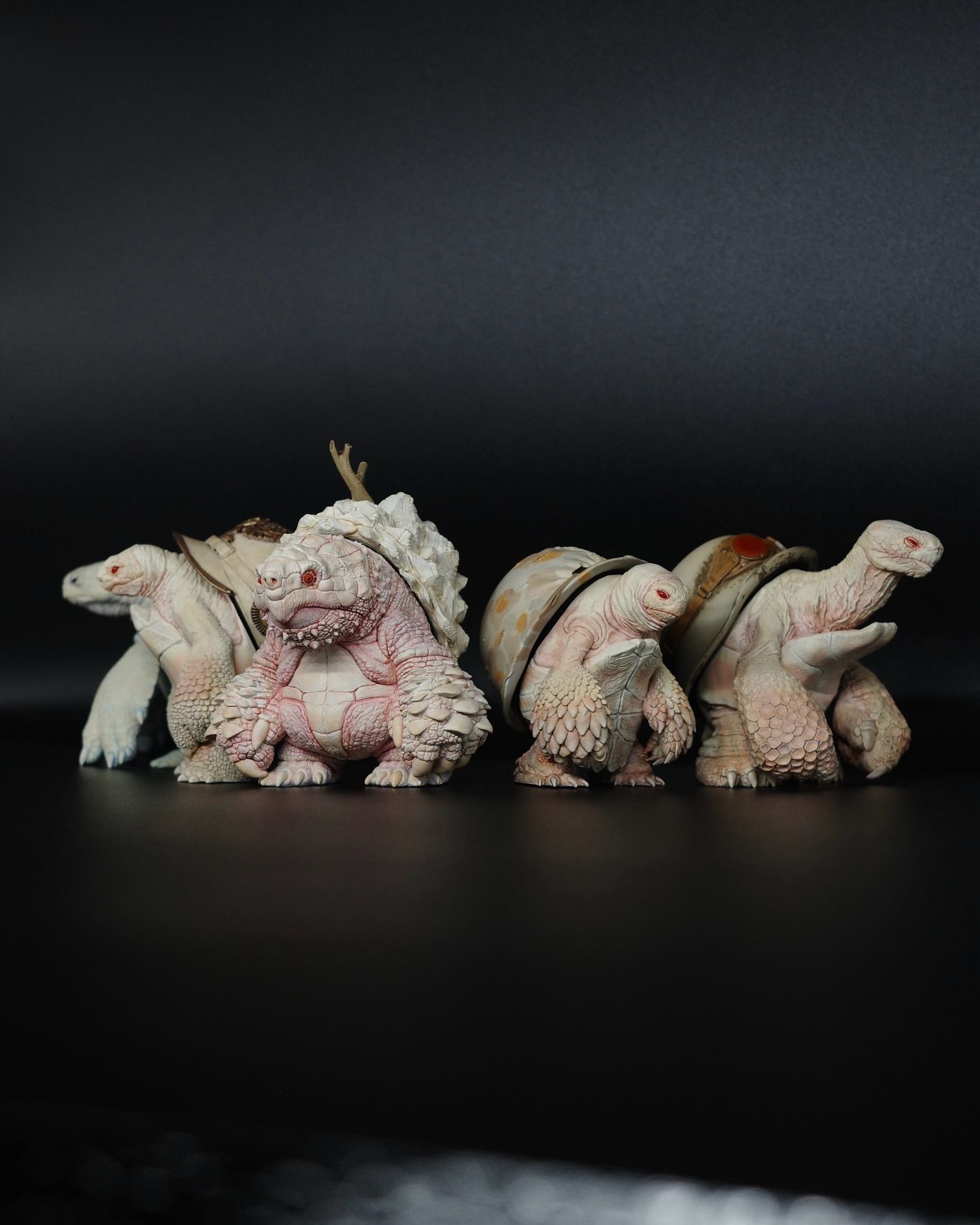
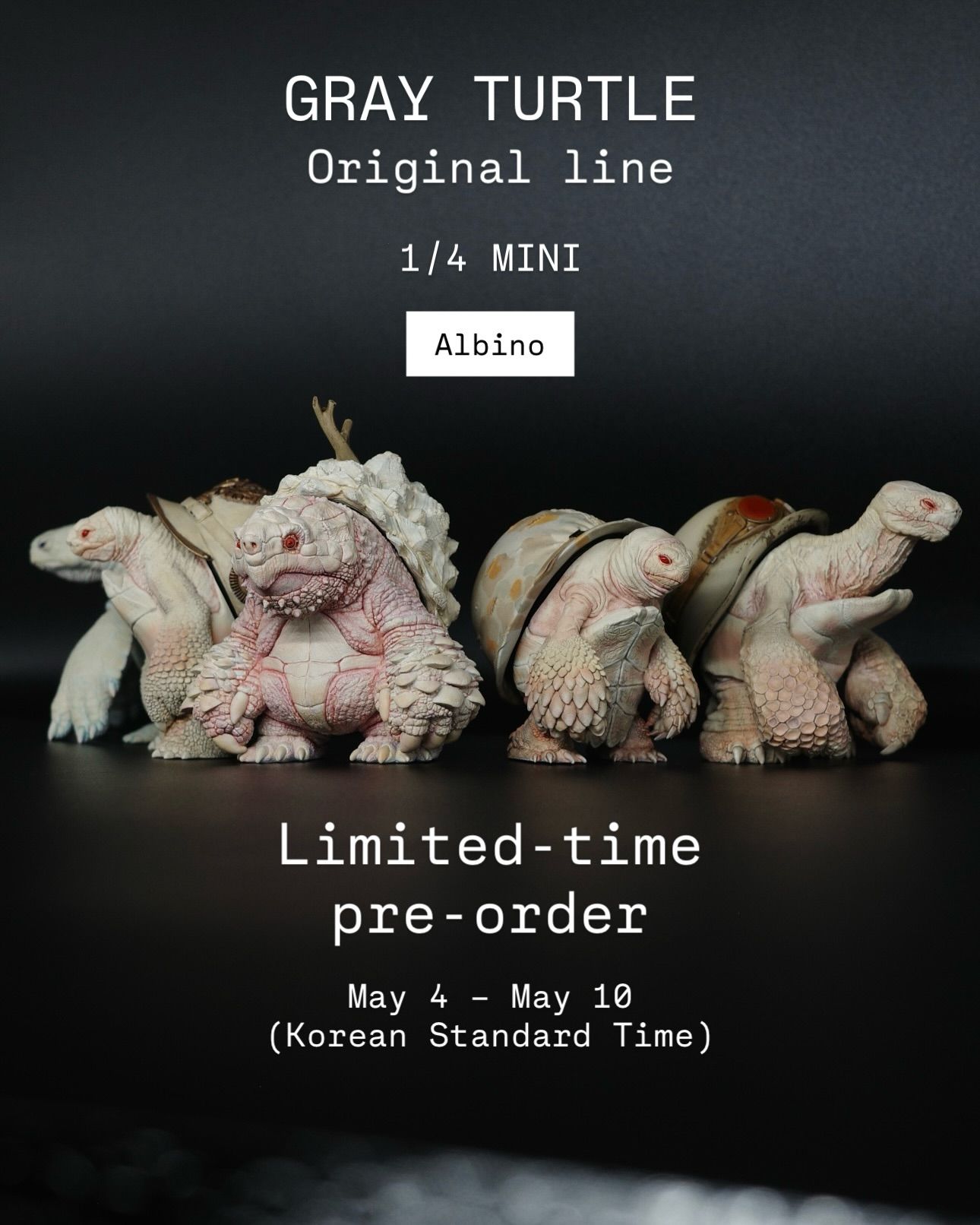
WHEN: From Monday, May 4 to Sunday, May 10th 2026
A one-week pre-order will be available through GRAY TURTLE website.
WHERE: https://gray-turtle.imweb.me/
Story
In the past, there was a very beautiful place where animals and plants lived harmoniously. However, human greed overflowed, eventually leading to an event that covered that beautiful place. For turtles, it is referred to as ‘D-day’
It manifested in the forms of radiation exposure, shelling, and biochemical contamination. Humans started fighting as if to devour each other. Everything visible began to be destroyed. Strangely, they killed each other but never consumed the bodies.
This marked the onset of what is commonly known as a world war
And that was the end of it.
As a result of those events, the flora and fauna underwent mutations, including the turtles. The contaminated air, water, and soil caused their shells to inflate like pufferfish, limbs twisting as if escaping gas from a punctured balloon. The once sturdy shells shriveled, eventually becoming smaller than grapes.
Notably, this was during the ongoing war, and there was no one daring to walk freely on the battlefield. The turtles urgently needed something to cover their backs.
I’ve tried tin cans, hardcover books, tote bags, quilted bags, duffel bags, hobo bags, and more, but none were quite right. Then, amid the decaying corpses, they saw helmets covering the heads of the deceased, and the turtles undoubtedly had the same thought: a perfect shell.
Using their sharp beaks, they cut the chin straps of the helmets and wore them, flipped upside down. It wasn’t as perfect as real shells, varying in size, but the helmets were the best option.
The never-before-smelled scent of terror lingered from ‘D-day, lasting for a long time. Some creatures, drawn to the scent of blood, gathered to tear apart corpses, but the land didn’t take long to dry up.
Thus, the time of fear persisted long after ‘D-day.’
Mutations endured, and every turtle carried a helmet on its back. Those who survived had to figure out how to overcome the desolate situation. After a while, turtles from various regions gathered and, through lengthy discussions, decided to use the small helmets left on their backs to provide assistance to different animals and plants.
Adapting to mutations required effort, and turtles needed help, too.
Through trials, they realised the importance of symbiosis.
Turtles started restoring the barren land by planting various moss seeds on each other’s helmets. After a while, the moist moss burst open, expanding the living environment.
Thanks to the efforts of turtles and other creatures, the contaminated land slowly became fertile. Fortunately, the lifespan of turtles didn’t decrease due to mutations. It took a very long time for this recovery to happen.
So much time passed.
The fertile soil began to sprout plants again, and turtles, with their two legs, transported seeds of resilient plants and small insects attached to their helmets. The tales of little dung beetles were somewhat frightening.
Bullet holes in the helmets corroded over time, creating doubts about whether they could still protect the bodies. Fortunately, they were suitable for transporting small plants.
Turtles diligently planted and replanted. They excluded carnivorous plants.
Turtles that grazed on grass and those that were carnivorous maintained order, helping each other rather than prioritising their own safety
Some insects, with mutated bodies becoming too heavy to walk, developed tough skin like rocks. Elder turtles, as they grew smaller, passed their helmets to the younger ones, while larger insects carried them like shells, protecting their bodies and taking them to the damp places they desired.
A long time passed, and the small helmets and the spirit of symbiosis became a great help to everyone. Observing the recovered nature was more than joyful, but the elderly turtles, who knew about ‘D-day’ were worried whenever the memories of the war resurfaced.
Find GRAY TURTLE via https://gray-turtle.imweb.me and Instagram.com/gray_turtle/